Why Your Water Bottle Is Failing You Above 8,000 Feet
Heading above 8,000 feet? A full water bottle does not guarantee a hydrated body. Many hikers fall into the classic Colorado trap: they chug plain water on a steep climb, yet the headache still arrives. The problem is not always a lack of drinking. At altitude, your breathing, sweat loss, pace, food intake, and electrolyte balance all change at once.
Dry mountain air pulls moisture from your skin and airways, while thinner air makes you breathe faster and deeper. That combination can increase fluid loss compared with an easy walk at sea level. Still, thirst alone is not a reliable guide. A dry mouth may reflect the environment, while true dehydration involves reduced circulating fluid and can impair balance, concentration, and performance. The goal is not to force down as much water as possible. It is to replace fluid steadily while avoiding dangerous dilution of blood sodium.
The Biology of Rocky Mountain Moisture Theft
At high elevation, atmospheric pressure is lower and each breath delivers less oxygen than it would at sea level. Your body compensates by increasing ventilation. You breathe more often and often more deeply, especially during steep climbing. Every exhalation carries water vapor out of your body. The harder you work, the more air moves through your lungs, and the larger that respiratory loss can become.
Alpine humidity adds another layer. Cold, dry air can have very low relative humidity, particularly when wind moves across exposed ridges. Sweat evaporates quickly in those conditions. That feels helpful because your shirt may not become soaked, but evaporation still represents fluid leaving your body. You may also miss the warning because the air cools your skin while your core temperature rises during the climb.
Clinical discussions of high-altitude physiology describe how respiratory water loss can accelerate in thin, arid air. The underlying research is available in biomedical studies on high altitude physiology. Fluid shifts at elevation can alter plasma volume, the liquid portion of blood. Reduced plasma volume makes the heart work harder and can contribute to fatigue, a faster pulse, reduced exercise tolerance, and a dull headache. These effects can overlap with acclimatization, so you need to assess the whole picture rather than diagnose yourself from one symptom.
- Fast, deep breathing increases invisible water loss through the lungs.
- Dry air and wind accelerate sweat evaporation.
- Cold temperatures can suppress thirst even while fluid loss continues.
- Hard effort increases both ventilation and sweating.
- Low food intake can reduce sodium and carbohydrate replacement during long outings.
There is another reason to avoid a simplistic drinking plan. Altitude changes kidney function and fluid regulation, especially during the first days after arrival. Some people urinate more during acclimatization. That does not mean every increase in urine requires aggressive replacement. Use regular, moderate drinking, monitor how you feel, and consider the duration and intensity of the outing.
Dehydration Headache or Acute Mountain Sickness
A dehydration-related headache is often a dull, localized ache that develops alongside thirst, dry mouth, dark urine, unusual fatigue, or a noticeable drop in pace. It may improve after rest, shade, food, and measured fluid intake. Acute mountain sickness, or AMS, can include headache but usually brings additional symptoms such as nausea, dizziness, unusual tiredness, poor sleep, or reduced appetite. The distinction is not always clean. Dehydration can make AMS feel worse, and early AMS can make it harder to eat, drink, and judge your condition.
Do not use a bottle as a test of toughness. Stop in a safe place, reduce effort, and reassess. If symptoms are mild and stable, a controlled recovery period may help. If symptoms worsen despite rest, or if another person notices that you are confused or moving abnormally, the plan changes. Review the National Park Service altitude illness guidance before heading out, and share the warning signs with every member of your group.
| Pattern | Possible clue | Safe response |
|---|---|---|
| Dull headache with thirst and dry mouth | Possible fluid deficit, especially after hard effort | Stop, rest, eat if able, and sip a measured electrolyte-containing drink |
| Headache plus nausea, dizziness, fatigue, or poor coordination | Possible AMS or another altitude problem | Stop gaining elevation, monitor closely, and prepare to descend |
| Confusion, inability to walk normally, fainting, seizure, or severe vomiting | Medical emergency, potentially severe altitude illness | Begin immediate descent and activate emergency help |
| Shortness of breath at rest, chest tightness, or coughing with frothy or pink sputum | Possible high-altitude pulmonary edema | Descend immediately and seek emergency medical care |
Severe symptoms demand descent regardless of how much you have already drunk. Do not wait for a headache to disappear after another liter of water. Confusion, loss of coordination, inability to walk, fainting, seizure, severe breathlessness at rest, or rapidly worsening symptoms require urgent action. Keep the group together. Protect the affected person from cold and wind, and contact local emergency services or search and rescue when available.
The Danger of Overdrinking Plain Water
Plain water is useful, but more is not always better. During prolonged exercise, drinking beyond your body”s needs can dilute blood sodium, causing exercise-associated hyponatremia. In severe cases, water moves into cells, including brain cells. The result can resemble or worsen serious altitude illness, with headache, nausea, vomiting, confusion, stumbling, seizures, and unconsciousness.
A Colorado Four Pass Loop incident illustrates the danger. Ultrarunner Wookie Kim became progressively slower and then developed headache, haziness, balance and vision problems, falls, vomiting, seizures, and unconsciousness. His blood sodium was later reported at 118 mEq/L, below the stated normal range of 135 to 145. Doctors identified several contributing factors, including rapid travel from sea level, insufficient acclimatization, alcohol use, altitude, exertion, and excessive plain-water intake. The lesson is not to avoid water. It is to avoid forced drinking without regard for thirst, conditions, effort, and sodium intake.
- Do not set a goal of finishing every bottle simply because it is in your pack.
- Do not use clear urine as a reason to keep drinking continuously on a long climb.
- Do not assume every altitude headache means you need more water.
- Do not rely on salt tablets as a substitute for medical assessment or a sensible plan.
- Do monitor symptoms, drinking patterns, food intake, and changes in coordination.
Electrolytes are not a magic shield, and they do not make unlimited drinking safe. Their role is to provide sodium and other minerals alongside fluid, particularly during prolonged, sweaty efforts. Product concentrations vary widely, so follow the label and test the approach during training. If you have kidney, heart, blood pressure, or other medical conditions, obtain individualized advice from a licensed clinician before changing sodium or fluid intake.
The Mile-by-Mile Alpine Hydration Protocol
Start before trailhead morning. During the 24 hours before a high-elevation outing, drink normally and consistently rather than attempting a last-minute water load. Eat regular meals containing carbohydrates and moderate sodium. Avoid using alcohol as part of the pre-hike routine, especially when traveling from low elevation. Sleep, acclimatization, and pacing matter as much as what goes into the bottle.
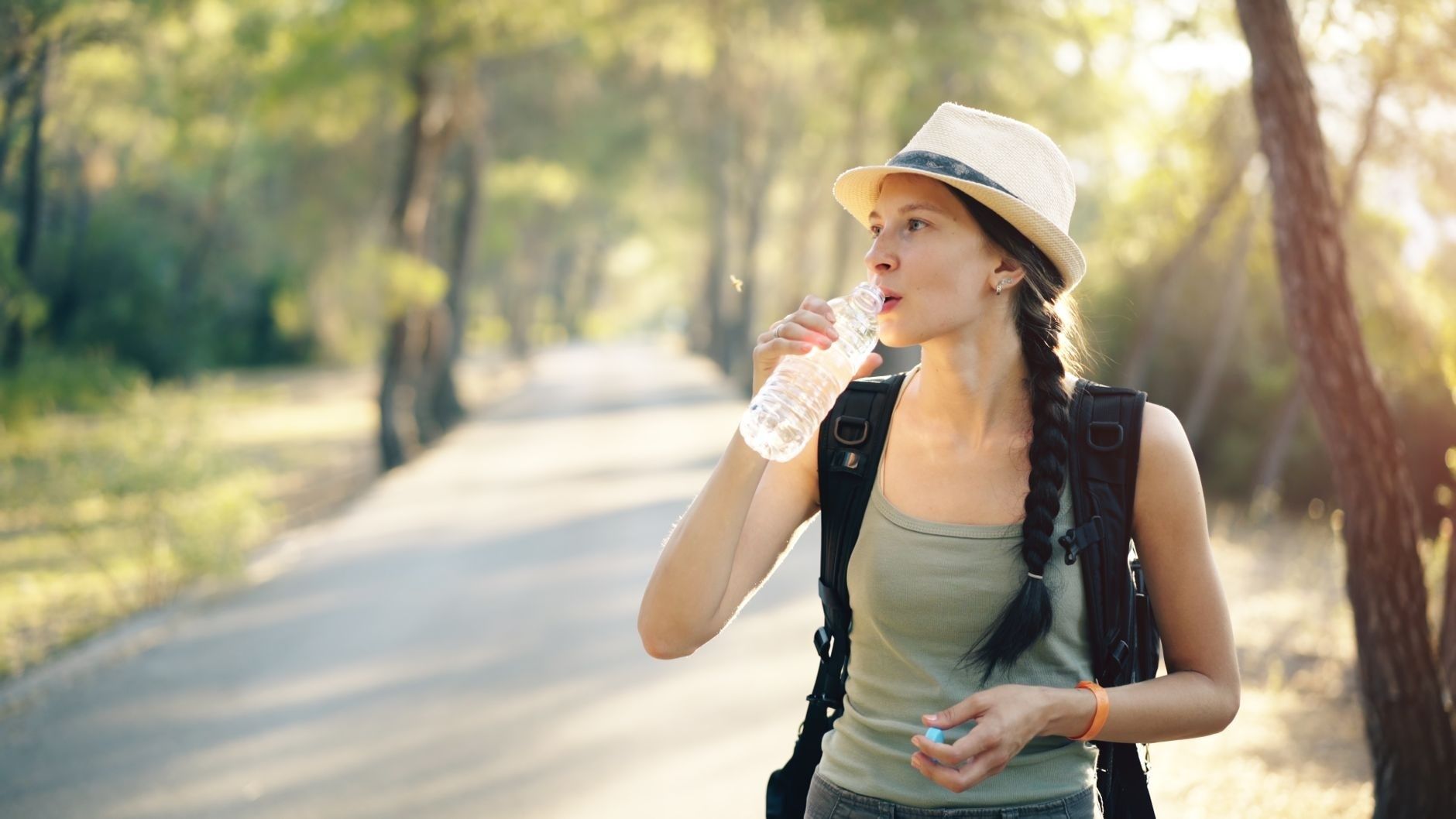
At the trailhead, carry more than one option if the outing is long: water for ordinary drinking and an electrolyte mix for sustained effort. Your exact need depends on body size, temperature, pace, wind, sweat rate, and access to reliable water. There is no universal safe hourly volume. A practical approach is to sip at regular intervals, eat small amounts, and avoid both long periods without drinking and large, forced boluses.
- Prime sensibly. Arrive hydrated, eat breakfast, and begin with a normal drink. Do not preload by rapidly consuming excessive water.
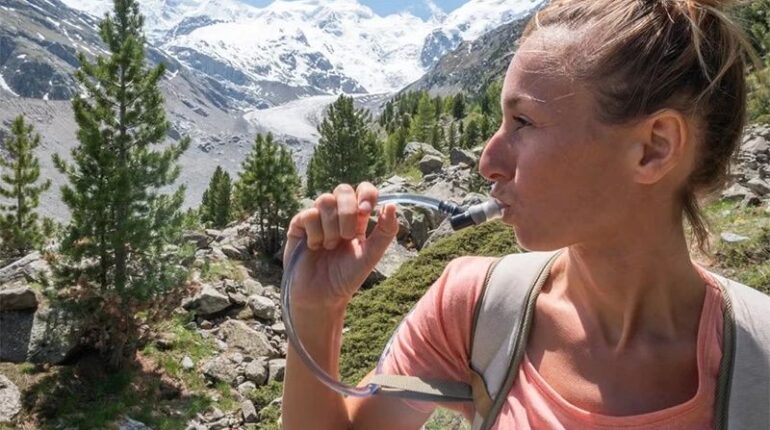
- Set a steady rhythm. Take small sips during the climb instead of waiting until intense thirst or a headache appears.
- Pair fluid with fuel. Use snacks or meals during long efforts. Include an electrolyte drink when sweating and duration justify it.
- Respect vertical gain. Slow your pace on steep sections. A lower workload reduces excessive ventilation and can make fluid needs easier to manage.
- Check at breaks. Ask whether symptoms are improving, stable, or worsening. Look for coordination, nausea, unusual fatigue, and mental clarity.
- Turn around early. Worsening headache, vomiting, dizziness, confusion, or poor balance is a decision point, not a challenge to overcome.
- Recover at camp. Replace fluids gradually, eat a balanced meal, warm up, and continue monitoring for delayed symptoms after the summit effort.
After the summit, do not stop paying attention when the pack comes off. Descending may relieve altitude stress, but exertion, sun, wind, and earlier fluid losses can continue to affect you. Drink gradually with food, and avoid trying to correct the entire day”s deficit in one sitting. Check urine color as one rough clue, but weigh it against thirst, frequency, weather, and how you feel overall.
If a headache persists, intensifies, or appears with nausea, confusion, coordination problems, or breathing trouble, treat it as a medical concern rather than ordinary post-hike fatigue. Back at home base, recovery means sleep, food, and normal fluid intake. Repeated headaches at elevation deserve discussion with a healthcare professional before the next big trail day.
Claim Your Summit Clearheaded and Strong
High-altitude hydration is a balance problem. You lose moisture through faster breathing and rapid evaporation, but you can also create danger by forcing plain water beyond your needs. Shift your trail mindset from volume drinking to steady replacement of fluid, food, and electrolytes. Pace early. Eat before you feel empty. Stop when symptoms change.
- Check acclimatization time before committing to a high route.
- Pack water plus a tested electrolyte option.
- Carry salty, carbohydrate-rich snacks for long efforts.
- Start drinking steadily, not aggressively.
- Use rest breaks to assess headache, nausea, balance, and mental clarity.
- Know the descent and emergency plan before leaving the trailhead.
- Turn around immediately for severe or worsening altitude symptoms.
Your next 14er does not need a complicated system. It needs a realistic gear check, a measured drinking plan, and the discipline to respond early. Respect the elevation, respect changing Colorado weather, and protect the whole group. Clearheaded trail time is the goal, and the best summit is the one that brings you safely back to home base.